

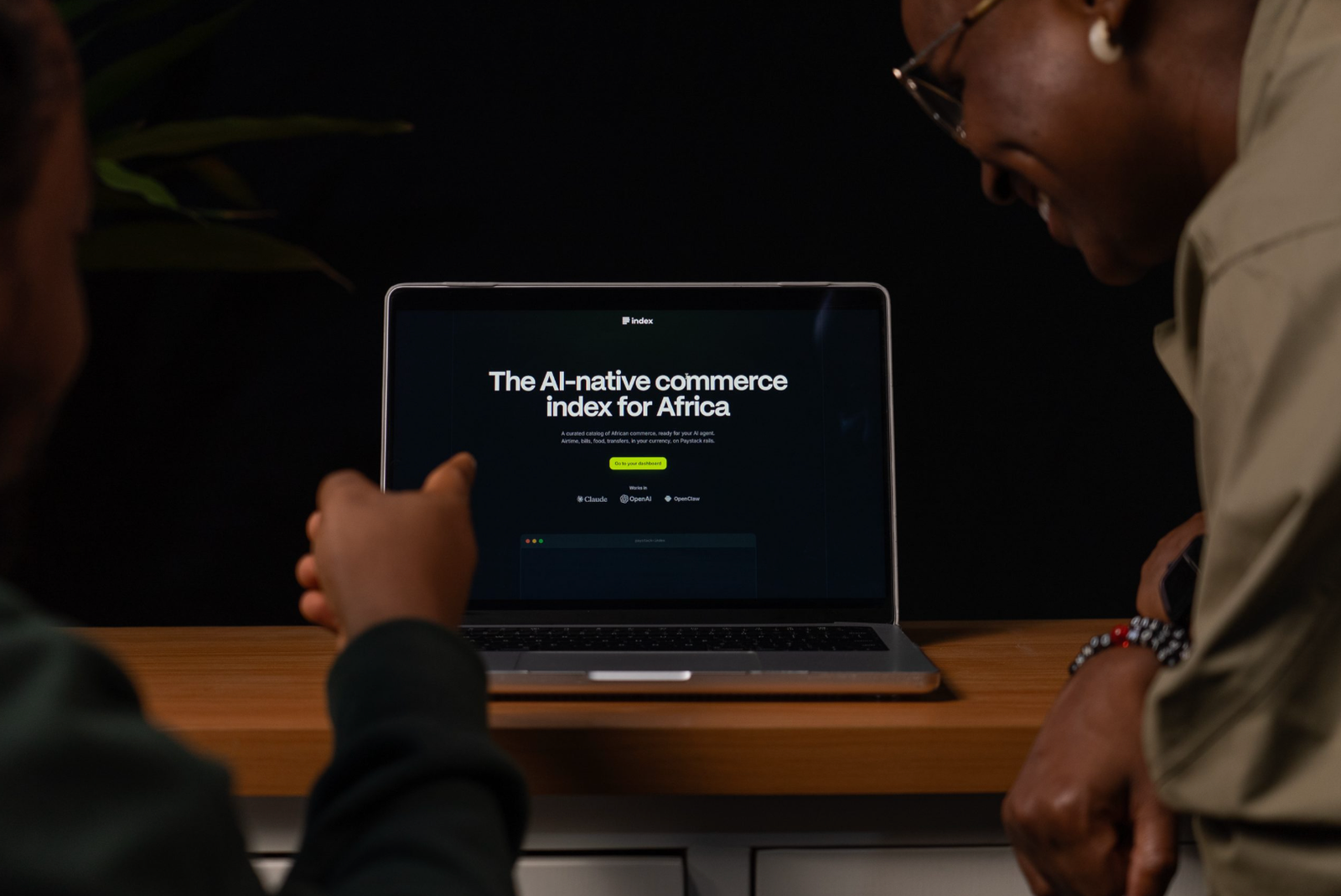
Paystack, the payments technology corporation owned by The Stack Group (TSG), has introduced an experimental tool that enables Nigerian users to complete transactions with participating merchants using artificial intelligence agents.
The new product, named Paystack Index, was built with product assistance from TSG Labs, the venture studio of the parent organization. The studio focuses on creating novel solutions using modern technologies. Paystack Index leverages established platforms like Paystack Checkout and Zap to enable individuals to perform daily financial transactions through artificial intelligence while maintaining payments on the existing network of the financial institution. The organization stated that the solution functions with compatible artificial intelligence clients including Claude, ChatGPT and OpenClaw. Early access is initially rolling out to Zap users within Nigeria.
The introduction aligns with the growing adoption of artificial intelligence tools across Nigeria. Data from a Google and Ipsos study indicates that 88% of surveyed Nigerians used generative artificial intelligence over the past year, while 62% employed it for routine activities such as organizing itineraries, meals or fitness routines. Paystack Index operates on the premise that as consumers increasingly trust artificial intelligence to guide decisions and execute tasks, processing payments will naturally transition into these automated environments.
Shola Akinlade, the Chief Executive Officer of Paystack, stated that the organization remains dedicated to helping enterprises receive payments securely and consistently regardless of consumer location. He noted that because artificial intelligence agents are turning into a standard interface for search, decision making and action, the checkout experience must transform accordingly.
The tool currently accommodates routine transactions. These include airtime and mobile data bundles across major telecommunications networks in Nigeria, account funding and money transfers via Zap, as well as food delivery services through Chowdeck. Akinlade explained that the creation of the product stems from the corporate conviction that artificial intelligence agents represent a fresh interactive layer for commerce, allowing people to move from querying information to executing actual transactions.
To validate this approach, Paystack is launching Index through a restricted early access framework. The system is available exclusively in Nigeria for now, catering to a select group of businesses and services. Admission into the program will be managed according to system capacity during this initial trial phase. The organization indicated that the controlled rollout allows for the close monitoring of consumer interaction with automated transactions, facilitating the refinement of the checkout model before expanding the service to additional merchants, users and regional African markets.
Mechanics of the Infrastructure
Paystack Index functions as an integration layer connecting the artificial intelligence agent of the consumer, Zap, participating merchants and the main payment processing framework. For instance, if a consumer instructs Claude to purchase mobile data, the artificial intelligence agent manages the conversational front end. Simultaneously, Index translates the prompt, validates that the request is supported, verifies user authorization and directs the command to the appropriate service provider before finalizing the transaction through Zap and the core payment gateway.
Security remains a primary focus, and users retain complete oversight of every authorized payment. Index avoids storing card numbers, Card Verification Values (CVVs), personal identification codes or bank account details. Instead, the solution relies entirely on the established security infrastructure of Paystack to complete requests.
The mechanism for routing connections between buyers and businesses is structured to maintain transparency. Rather than permitting artificial intelligence models to independently choose which merchant handles a consumer order when multiple businesses offer identical services, Index evaluates specific parameters. These parameters include the stated intent of the consumer, merchant availability, logistical context, transaction constraints and user preferences.
Throughout this testing phase, the organization seeks to determine if automated commerce translates into routine user habits. The firm aims to isolate which actions consumers perform repeatedly and evaluate whether artificial intelligence serves as an effective discovery tool for enterprises. Akinlade remarked that understanding the implications for businesses is vital, noting that if the tool establishes a viable pathway for businesses to be discovered, selected and compensated through automated agents, it provides a significant industry signal.
Broader Corporate Direction
The release highlights the technological focus of TSG Labs. While Index demonstrates the dedication of the studio to artificial intelligence developments, Akinlade mentioned that stablecoins represent another major area of strategic interest. TSG Labs is analyzing how stablecoin infrastructure can assist African enterprises and consumers, including within markets like South Africa. The team is currently examining appropriate use cases, market requirements, regulatory landscapes and user experiences prior to introducing any service to the public. The leadership emphasized the importance of ensuring that African financial ecosystems remain aligned with major global infrastructure transitions.
This automated payment tool represents the newest addition to a series of product rollouts from the financial firm. Over the past year, the company expanded its overall service catalog. Milestones include the debut of Zap, the first consumer facing peer to peer payment application from the firm, in March 2026. The company also integrated artificial intelligence capabilities into its traditional merchant interface, introduced a dedicated Small Business Bundle featuring partner discounts for qualified Nigerian enterprises, integrated Capitec Pay in South Africa alongside Pesalink in Kenya and established a connection with Flowcart Commerce.
The long term strategy involves scaling Index to incorporate more functionalities, participating billers and additional African territories as the development team gathers insights from consumer trends during the beta window. The ultimate objective centers on understanding how individuals prefer to use automated systems for commerce, how brands can feature in these ecosystems and what foundational infrastructure is required to make automated checkouts function securely across African economies.